Mobile apps are no longer optional. Whether you’re launching a startup, scaling a SaaS product, or expanding your digital business, one big question shows up early:
Should you build a cross-platform app or a native app?
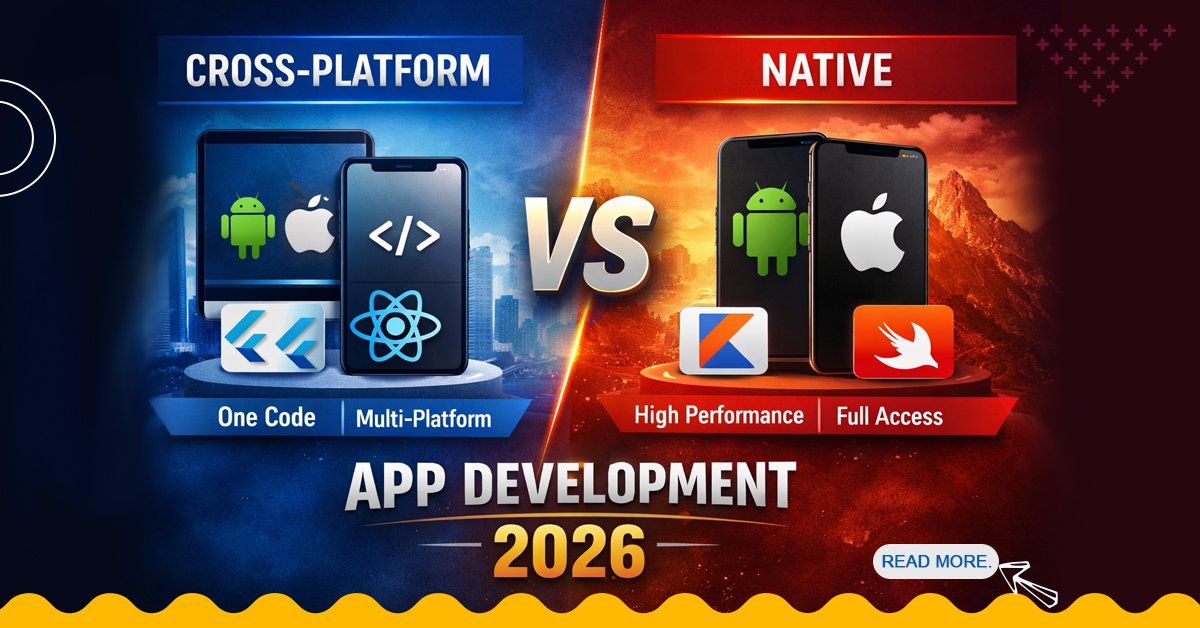
This decision directly affects your budget, launch speed, performance, user experience, and long-term scalability.
Let’s break it down in a practical, easy-to-understand way.
- 1 Quick Answer
- 2 What is Cross-Platform App Development?
- 3 Benefits of Cross-Platform Development
- 4 Drawbacks of Cross-Platform Development
- 5 What is Native App Development?
- 6 Benefits of Native Development
- 7 Drawbacks of Native Development
- 8 When Should You Choose Cross-Platform Development?
- 9 When Should You Choose Native Development?
- 10 Cross-Platform vs Native (2026 Comparison)
- 11 What’s Changed in 2026?
- 12 Expert Insight
- 13 FAQs
- 13.1 Which is better — cross-platform or native app development?
- 13.2 Is cross-platform development good enough in 2026?
- 13.3 Are native apps faster than cross-platform apps?
- 13.4 Which option is more budget-friendly?
- 13.5 Can I convert a cross-platform app into a native app later?
- 13.6 Do users notice the difference between cross-platform and native apps?
- 13.7 Which apps should ideally be built natively?
- 13.8 Which apps work well with cross-platform development?
- 14 ✅ Final Verdict
Quick Answer
Choose Cross-Platform Development if:
✔ You want faster development
✔ Budget is limited
✔ You need iOS + Android quickly
✔ Performance requirements are moderate
Choose Native Development if:
✔ You need maximum performance
✔ Your app is graphics-intensive
✔ Heavy animations / gaming involved
✔ Deep hardware integration required
In 2026: Cross-platform tools are powerful, but native still dominates performance-heavy apps.
What is Cross-Platform App Development?
Cross-platform development allows developers to build one codebase that runs on multiple platforms, typically Android and iOS.
If you’re new to the concept, start here:
Cross-Platform App Development Guide
Popular frameworks include:
- Flutter
- React Native
- Xamarin
- Ionic
For a deeper framework comparison:
Best Cross-Platform Frameworks in 2026
Benefits of Cross-Platform Development
1. Faster Time to Market
One shared codebase significantly reduces development time.
Ideal for:
- Startups
- MVP launches
- Rapid validation
2. Lower Development Cost
You save on:
✔ Separate development teams
✔ Dual codebases
✔ Extended timelines
3. Easier Maintenance
Bug fixes and updates are applied once.
4. Wider Audience Reach
Launch on both:
- Google Play Store
- Apple App Store
5. Strong Framework Ecosystem
Choosing the right framework is critical.
Comparison:
Flutter vs React Native (2026)
Drawbacks of Cross-Platform Development
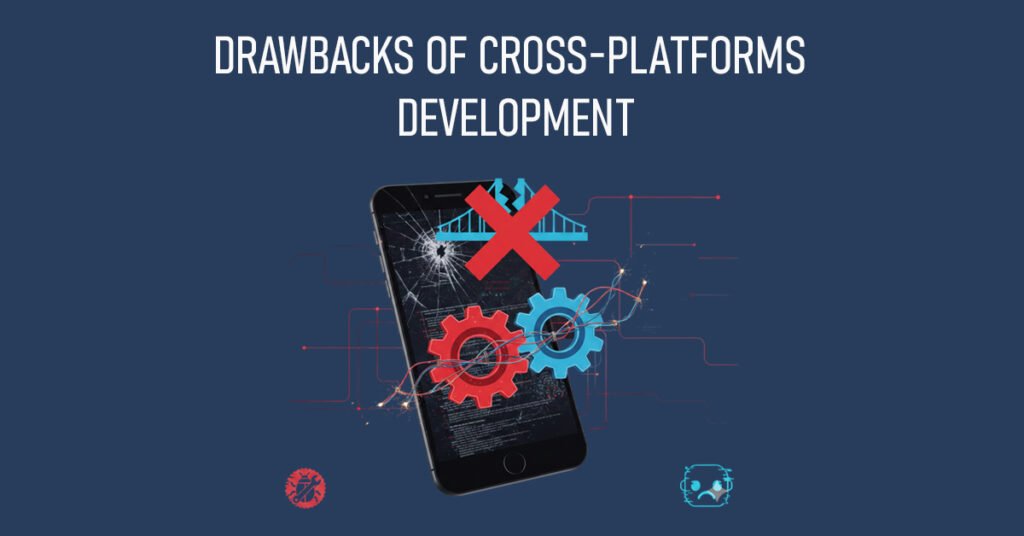
Performance Limitations
Even in 2026, cross-platform apps may struggle with:
- High-end gaming
- Heavy animations
- Complex 3D graphics
👉 External Reference:
https://developer.android.com/topic/performance
Platform-Specific Bugs
Some UI behaviors differ between iOS & Android.
Limited Native API Access
Advanced hardware features may require plugins.
UX Trade-offs
Apps may feel slightly less “native.”
What is Native App Development?
Native development means building separate apps for each platform.
Android: Kotlin / Java
iOS: Swift / Objective-C
Benefits of Native Development
Maximum Performance
Direct access to OS & hardware.
Perfect for:
✔ Gaming
✔ AR/VR
✔ Fintech
✔ Video processing
Superior User Experience
Fully aligned with platform design systems like Apple’s Human Interface Guidelines and Google’s Material Design.
Seamless Hardware Integration
Camera, sensors, GPS, biometrics.
Greater Stability
Fewer compatibility layers.
Better Scalability
Ideal for complex, evolving apps.
Drawbacks of Native Development
Higher Cost
Two platforms = two builds.
Longer Development Time
Separate workflows increase timelines.
Double Maintenance
Updates handled individually.
When Should You Choose Cross-Platform Development?
Cross-platform is perfect when:
✔ Budget is limited
✔ Speed matters
✔ MVP required
✔ App complexity is moderate
When Should You Choose Native Development?
Native development is ideal when:
✔ Performance is critical
✔ Heavy animations / gaming
✔ AR/VR features
✔ Complex hardware integrations
Cross-Platform vs Native (2026 Comparison)
| Factor | Cross-Platform | Native |
| Development Speed | ⭐⭐⭐⭐⭐ | ⭐⭐⭐ |
| Cost Efficiency | ⭐⭐⭐⭐⭐ | ⭐⭐ |
| Performance | ⭐⭐⭐ | ⭐⭐⭐⭐⭐ |
| UX Quality | ⭐⭐⭐⭐ | ⭐⭐⭐⭐⭐ |
| Maintenance | ⭐⭐⭐⭐⭐ | ⭐⭐⭐ |
| Hardware Access | ⭐⭐⭐ | ⭐⭐⭐⭐⭐ |
What’s Changed in 2026?
Cross-platform frameworks improved dramatically:
✔ Faster rendering
✔ Better native bridges
✔ Smoother UI
Still…
Native remains unbeatable for performance-intensive apps.
Expert Insight
The smartest decision depends on:
✔ Business goals
✔ Budget
✔ Performance expectations
✔ Growth plans
A common startup strategy:
Cross-platform → Validate → Scale → Move native if needed
FAQs
Which is better — cross-platform or native app development?
There’s no single “best” option. Cross-platform is great for faster and more affordable development, while native apps are better for high performance and complex features.
Is cross-platform development good enough in 2026?
Yes. Modern frameworks like Flutter and React Native deliver excellent results for most business, e-commerce, and content-based apps.
Are native apps faster than cross-platform apps?
In general, yes. Native apps usually offer better speed and smoother performance, especially for graphics-heavy or complex applications.
Which option is more budget-friendly?
Cross-platform development is typically more cost-effective because you build one app for multiple platforms.
Can I convert a cross-platform app into a native app later?
Yes. Many businesses start with cross-platform development and later move to native apps as their product grows.
Do users notice the difference between cross-platform and native apps?
For most standard apps, users may not notice much difference. However, for performance-intensive apps, native development often feels smoother.
Which apps should ideally be built natively?
Apps that require high performance — like games, AR/VR apps, or complex fintech apps — are better suited for native development.
Which apps work well with cross-platform development?
Business apps, e-commerce apps, SaaS dashboards, booking apps, and content-driven apps are excellent candidates.
✅ Final Verdict
✔ Need speed + lower cost → Cross-Platform
✔ Need performance + premium UX → Native
Choose based on your product strategy, not hype.