Affiliate marketing sounds simple on the surface.
Share a link.
Someone buys.
You get paid.
But in reality, most beginners fail because they don’t follow a clear system.
If you want to earn real money with affiliate marketing in 2026, promoting web hosting is one of the smartest choices you can make — and Hostinger is one of the easiest hosting companies to start with.
In this guide, you’ll learn:
- What the Hostinger Affiliate Program is
- How to build a simple affiliate website
- What type of content actually converts
- How to get traffic without guesswork
- How beginners can realistically earn
Affiliate Disclosure
This article contains affiliate links. If you purchase through these links, I may earn a small commission at no extra cost to you. I only recommend tools and services I believe can genuinely help you.
Quick Answer: How to Start Hostinger Affiliate Marketing
You can make money with the Hostinger Affiliate Program by:
- Creating a WordPress website
- Writing helpful hosting-related content
- Placing your Hostinger affiliate link strategically
- Getting traffic through SEO
If you’re completely new to content creation, you can see how structured review articles work in our guide on Best AI Writing Tools for Students 2026:
What Is the Hostinger Affiliate Program?
The Hostinger Affiliate Program allows you to earn a commission every time someone purchases hosting through your referral link.
You don’t need to handle servers or support. Hostinger does that for you.
You can join the official affiliate program here:
Hostinger Affiliate Program Details (Important for Beginners)
Before promoting any hosting company, you must understand how the program actually works.
Commission Structure
Affiliates typically earn around 40% to 60% commission on eligible hosting sales.
Commission applies to the initial purchase (not recurring renewals).
Cookie Duration
Hostinger uses a 30-day cookie window.
If someone clicks your link and purchases within 30 days, you receive credit.
Payout Threshold
Minimum payout is usually around $100 (may vary depending on payment method).
Payment Methods
- PayPal
- Bank transfer (depending on region)
Always check your affiliate dashboard for updated terms.
Why Hosting Is One of the Best Affiliate Niches
People must buy hosting to create websites.
That’s why hosting affiliate marketing remains profitable year after year.
Unlike many trending niches, web hosting demand is constant and evergreen.
How to Start Hostinger Affiliate Marketing (Step-by-Step)
Step 1: Choose a Simple Sub-Niche
Instead of broad niches, focus on:
- Blogging beginners
- Small businesses
- Freelancers
- Ecommerce beginners
Use Google Trends to validate interest:
Choosing a focused niche improves your SEO chances and content relevance.
Step 2: Buy Hosting (You Need Hosting Too)
To promote hosting seriously, you should run your own website. If you’re completely new, you can follow our step-by-step guide on how to start a blog with Hostinger and WordPress:
Why Hostinger is beginner-friendly:
- Low cost
- Fast servers
- Easy dashboard
- One-click WordPress install
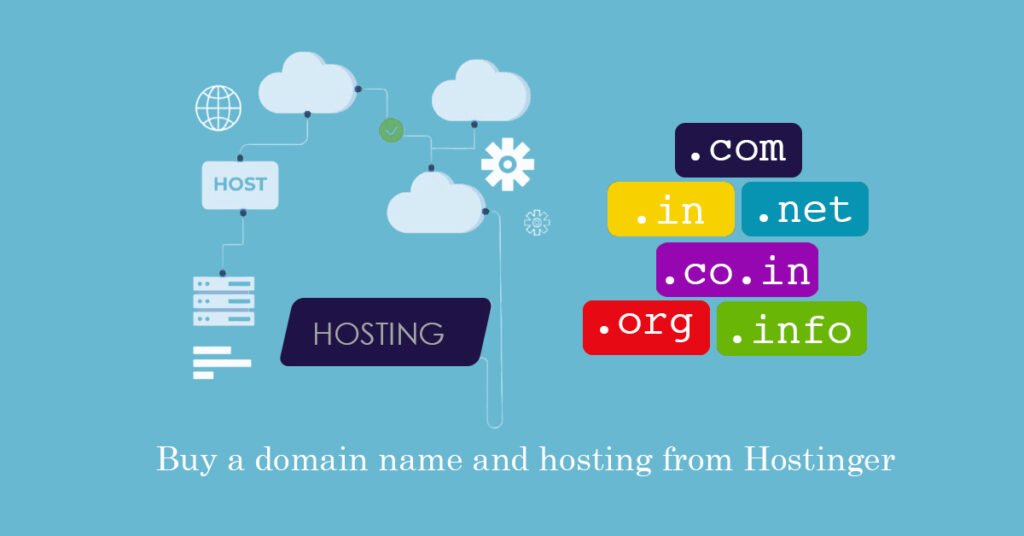
Step 3: Register a Domain Name
Tips:
- Short
- Easy to remember
- Brandable
You can purchase your domain directly inside Hostinger’s dashboard.
Step 4: Install WordPress
WordPress powers over 40% of all websites globally.
Install it from the official website:
Hostinger offers automatic WordPress installation through its control panel.
Step 5: Choose a Fast Theme
Recommended lightweight themes:
- Astra
- GeneratePress
- Kadence
Speed matters more than design. A fast site improves both SEO and conversions.
Step 6: Install Essential Plugins
Recommended categories:
- SEO Plugin (like Rank Math or Yoast)
- Caching Plugin
- Security Plugin
- Affiliate Link Cloaking Plugin
Avoid installing too many plugins. Keep your site lightweight.
Step 7: Create Mandatory Pages
Create:
- About
- Contact
- Privacy Policy
- Affiliate Disclosure
These pages improve trust and compliance.
Step 8: Understand What Content Makes Money
High-converting content types:
- Reviews
- Comparisons
- Best lists
- Tutorials
For example, detailed list-based content like our Best AI Construction Tools article demonstrates how comparison-style posts attract targeted traffic:
Focus on solving real problems, not just inserting affiliate links.
Step 9: Create Your Main Hostinger Review Page
This should be your strongest page.
Include:
- Features
- Pros & cons
- Pricing
- Performance
- Who should use it
CTA example:
Step 10: Write Helpful, Human Content
Follow Google’s Helpful Content guidelines:
Write for people first, SEO second.
Step 11: Basic SEO That Works
Use Google Search Console:
Optimize:
- Title
- Meta description
- Headings
- Internal links
If you’re new to SEO fundamentals, read Moz’s beginner guide:
Step 12: How to Get Traffic
- Organic SEO
- Social media
- Email marketing
SEO remains the most sustainable long-term strategy.
Step 13: How Long Before You Earn?
Most beginners start seeing results within 3–9 months if consistent.
Realistic Earnings Example
Many beginners ask how much you can earn with the Hostinger affiliate program. The answer depends on traffic and conversion rate.
If your website gets 1,000 visitors per month and converts at just 2%, that equals 20 sales.
If your average commission is $40 per sale, your monthly earnings would be:
20 × $40 = $800 per month
As traffic grows, your affiliate income scales accordingly.
Affiliate marketing is slow at first — but highly scalable.
Common Beginner Mistakes
- Giving up early
- Publishing thin content
- Ignoring SEO
- Targeting too many niches
Pros and Cons of Promoting Hostinger as an Affiliate
Pros
- High one-time commission percentage
- Beginner-friendly hosting
- Affordable plans (good for Indian and global markets)
- Strong brand recognition
Cons
- No recurring lifetime commissions
- Competitive affiliate niche
- Requires SEO effort for long-term results
Transparency builds long-term credibility.
Hostinger vs Other Hosting Providers
When compared with many other hosting providers, Hostinger is often considered one of the most beginner-friendly options.
Hostinger offers affordable pricing, an easy-to-use dashboard, and fast server performance, which makes it a popular choice for new bloggers and small website owners. While some premium hosting providers offer advanced enterprise features, Hostinger focuses on simplicity and value for beginners.
Should You Choose Hostinger?
Yes — if you want affordable, beginner-friendly hosting with strong conversion potential.
Is Hostinger Affiliate Program Worth It in 2026?
For beginners, the answer is yes — if you approach it strategically.
Success depends on:
- Targeting a specific audience
- Creating high-quality review content
- Focusing on SEO
- Being consistent for 3–6 months minimum
Treat it as a long-term digital asset, not a quick-money tactic.
Frequently Asked Questions
What is the Hostinger Affiliate Program?
It allows you to earn a commission when someone purchases hosting through your referral link.
Is Hostinger good for beginners?
Yes. It is affordable, easy to use, and beginner-friendly.
How much can you earn with the Hostinger affiliate program?
Earnings depend on traffic and conversions. With steady SEO traffic, affiliates can scale to hundreds or thousands monthly.
Do I need a website?
Yes. A website improves trust and long-term passive income potential.
Does Hostinger pay recurring commissions?
No. Commission is typically paid on the initial purchase only.
Usually 30 days.
Is Hostinger affiliate competitive?
Yes. SEO and content quality matter significantly.
Final Thoughts
Affiliate marketing is a long-term game.
Build helpful content.
Stay consistent.
Improve with data.
That’s how real affiliate income is built.
If you’re ready to start Hostinger affiliate marketing, begin by creating helpful content and focusing on SEO.
Start with Hostinger here:
Note About Affiliate Terms
Commission rates, payout thresholds, and affiliate terms may change over time. Always verify inside the official Hostinger affiliate dashboard.